- Bapu Bazar, Jaipur
- Hot Line : 9351809887


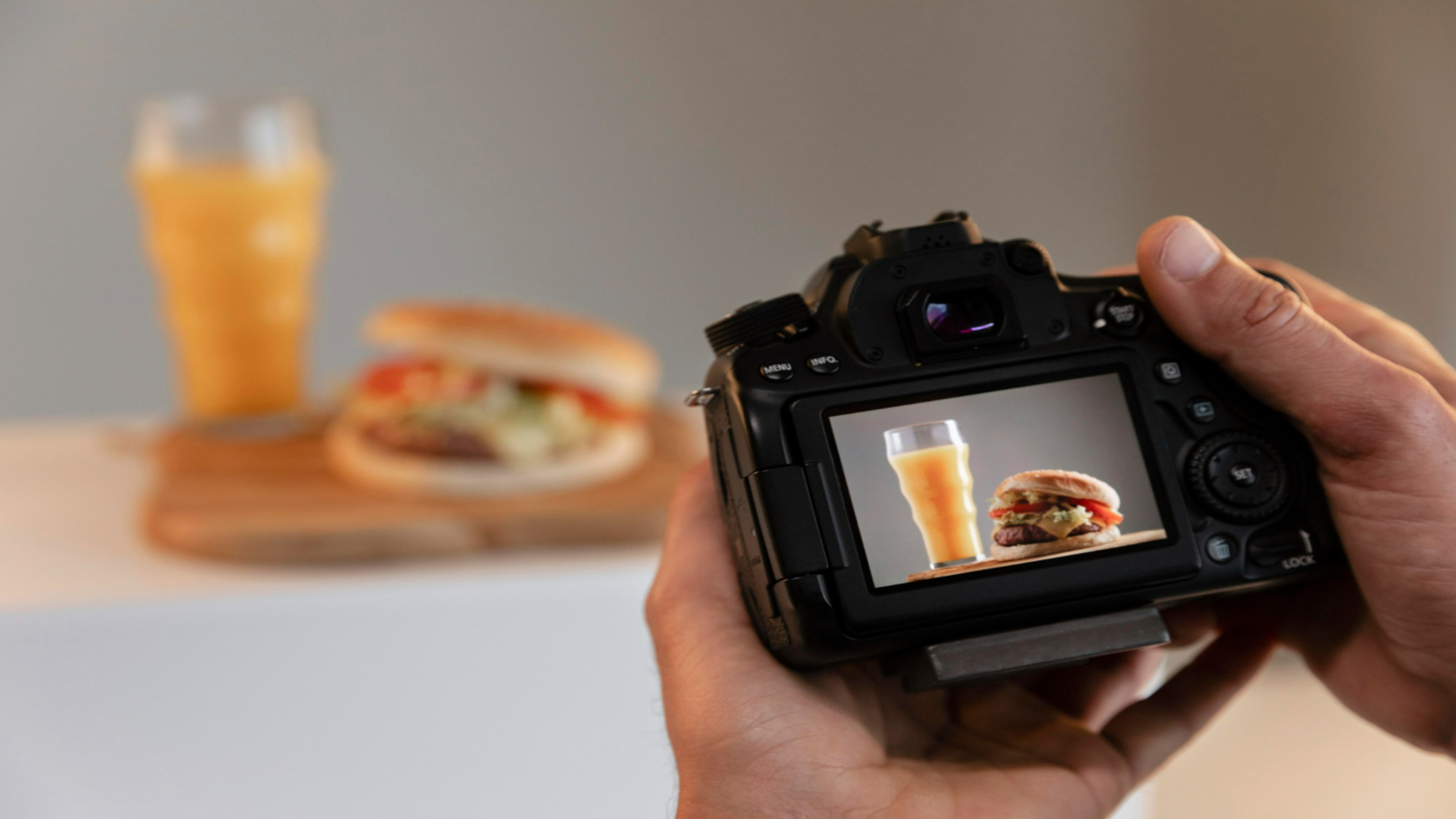
Enhancing Your Brand's Visual Appeal
Product photography is a vital component of successful e-commerce and branding strategies. By focusing on high-quality visuals that resonate with consumers, brands can enhance their online presence, drive engagement, and ultimately increase sales. Embracing best practices in lighting, composition, and editing will ensure that product photography not only showcases the product effectively but also tells a story that captivates potential buyers. With Style On Click, effective product photography can elevate your brand and engage your audience like never before.
Product photography is an essential aspect of e-commerce and branding that significantly influences consumer behavior. High-quality images can attract potential buyers, encourage purchases, and ultimately enhance brand identity. In this content, we’ll explore the critical elements and best practices for creating captivating product photography that resonates with audiences.
First Impressions Matter in the world of e-commerce, as product images are often the initial point of contact between a brand and its potential customers. High-quality visuals can create a strong first impression, effectively showcasing the product’s details and functionality. In today’s digital marketplace, consumers heavily rely on visuals to make purchasing decisions; thus, effective product photography plays a crucial role in bridging the gap between physical shopping and the online experience by providing a clear, enticing view of the product. Moreover, maintaining brand consistency through uniform product imagery across all platforms reinforces brand identity, helping to create a cohesive look that strengthens overall brand recognition.
Lighting plays a crucial role in product photography, with natural light being an excellent option for creating soft, flattering images that accurately showcase the product’s true colors. Alternatively, studio lighting offers controlled conditions that ensure consistent results while enhancing textures and details. When it comes to background selection, opting for neutral backgrounds allows the product to take center stage, whereas contextual backgrounds can effectively illustrate the product’s use and resonate with the target audience. Regarding composition, proper framing is essential to draw attention to the product and minimize distractions, while capturing the product from various angles provides potential customers with a comprehensive view. Finally, post-processing techniques, including color correction, retouching, and background removal, serve to enhance the final image, and maintaining a consistent editing style across product images helps create a unified and professional look.
To achieve outstanding product photography, it’s essential to use high-quality equipment; investing in a good camera and lenses is crucial for capturing sharp, high-resolution images. Additionally, utilizing a tripod can stabilize shots and prevent blurriness, ensuring clarity in every image. It’s equally important to showcase product details through close-up shots that highlight intricate craftsmanship and quality, thereby building trust with consumers. Incorporating lifestyle shots is another effective strategy, as these images depict the product in use and help consumers envision how it fits into their lives, ultimately increasing desirability. Finally, it’s important to test and iterate by experimenting with different styles, lighting, and compositions to discover what resonates best with your audience while aligning with your brand identity.